For a long time, the Japanese restaurants in Las Vegas were very limited and barely broke the double digits.
And then, in 2008, Raku opened.
The small plate restaurant quickly became a hit with strip chefs and foodies from around the world.
Food writer John Curtas said the raku opening was a big event for Japanese cuisine in Las Vegas.
“It took Japanese food in America, especially Las Vegas, to the level you would get in a bigger city like Los Angeles or San Francisco or New York,” he said.
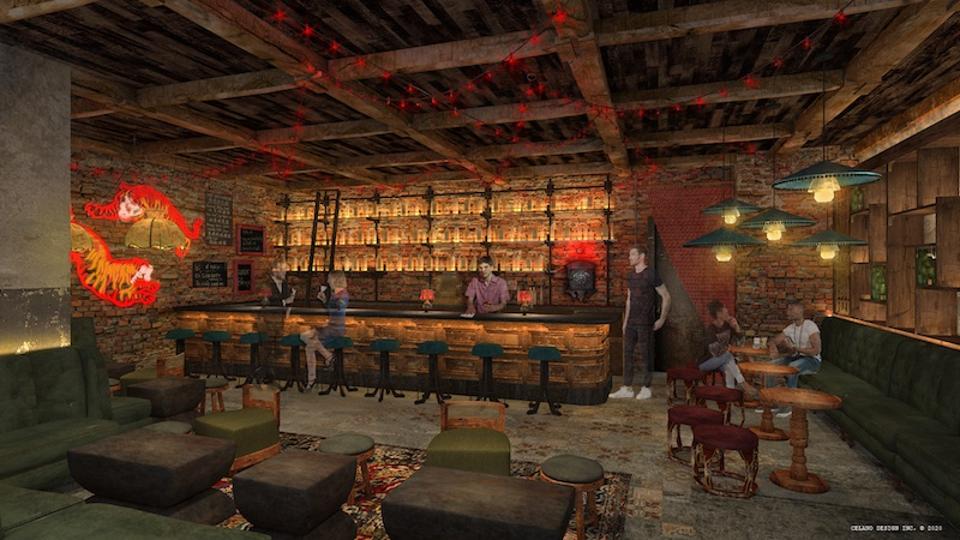
Curtas said that Chef Mitsuo Endo actually built the restaurant himself to mimic the izakaya bars in Japan – and cheap, although it doesn’t look cheap.
“The food was really, really authentic, immaculate and the chefs stood out all over the strip,” said Curtas.
A wave of new and unique Japanese culinary experiences followed. Not only did the phenomenon begin a revival of Chinatown, it spread to the suburbs as well.
Curtas said it was followed by high-end sushi restaurants like Kabuto and noodle houses like Monta.
“They are all very small,” he said. “I think it was this downsizing that really came on the heels of the [2008] Recession. People have recognized that small is beautiful. The Japanese have known this for hundreds of thousands of years, but in America we want our restaurants to be big and oversized and extravagant, and those tiny, exquisite jewelry boxes really addressed the shrinking economy we were going through. “
This wave has not stopped even during the pandemic.
Endo recently opened Toridokoro Raku, which specializes in chicken dishes.
Curtas also recommends Kaiseki-Yuzu on Spring Mountain Road, Yu-or-Mi Sushi in downtown, and Sushi Hiroyoshi on West Charleston Boulevard and Jones Boulevard.
He said the recent spate of Japanese restaurants is different from the sushi restaurants of yore.
“These newer restaurants are much more Japanese than the 1990s and 80s sushi bars Vegas had, which were mostly Korean restaurant owners who mimicked Japanese food well – but the actual Japanese chefs trained in Japan do a much better job than people who just start cooking to make money, “he said.
One person who helped with this shift is Martin Koleff. He is a restaurant stylist, which means he helps chefs turn their visions into reality. Curtas explained that Koleff helps bridge language and cultural differences between Japanese chefs and American guests.
Koleff said he and Chef Endo decided to open the Toridokoro Raku themselves in the middle of a pandemic because they knew the original raku had a fan base.
“We just kept going because Raku has fans. The customers are about 10,000 regulars from all over the world. So we thought we could do Toridokoro,” said Koleff.
He helped Endo create the original raku. Koleff explained that the chef worked in company kitchens but wanted to create something simpler.
“He wanted to get out of the company and just sit down and prepare good food and make everyone happy,” he said. “He didn’t really think about expanding or anything. He just wanted to relax and serve good food.”
Yuki Yamamori is Area Manager of the Mon Restaurant Group, which owns the Monta restaurants in the valley. She said things like ramen and sushi are popular in Las Vegas for the same reason they are popular in Japan.
“People grab some sushi and go to work,” she said. “Originally, both sushi and ramen were working class food in Japan. That’s why Japanese restaurants work in Las Vegas, I think.”
Yamamori would like to see more upscale deals in Las Vegas.
“I think the Japanese restaurant scene can grow by introducing more high-end Japanese restaurants.” She said, “There is so much more to Japanese cuisine.”
As for Curtas, he would like to see more places that resemble the little restaurant bars you find all over Tokyo. Some only have a few seats and chefs only prepare food for a few people at a time.
Overall, Curtas credits the explosion of great Asian restaurants for reinvigorating the Las Vegas dining scene.
“These restaurants … make our local dining scene a much more exciting place to be in small, subtle ways,” he said.