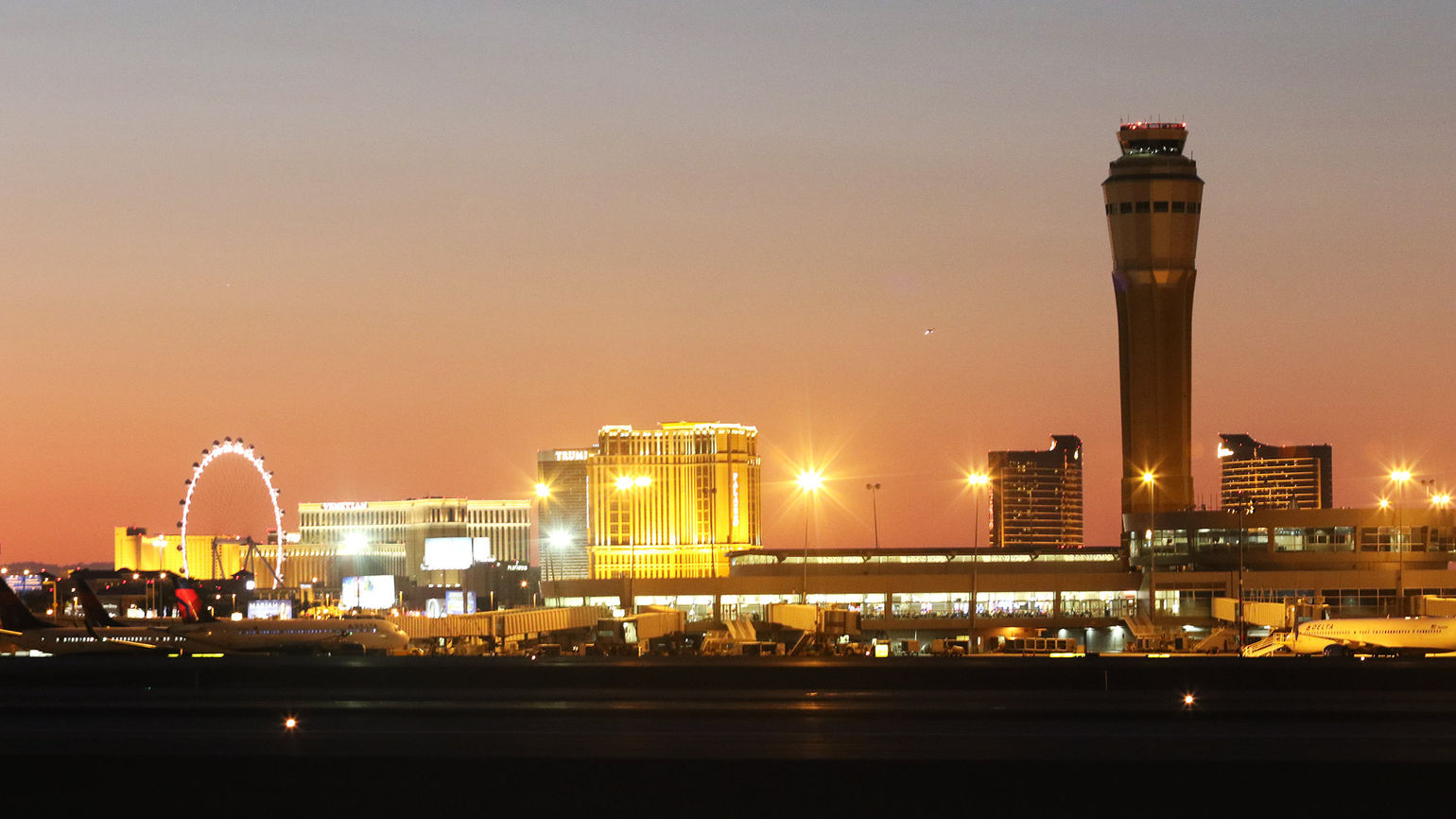
Gaming industry analysts are forecasting a strong Q4, especially for Las Vegas tourism, despite a rising number of positive Delta COVID-19 cases. These have slowed traffic at all Nevada casinos, and the current challenges Southwest Airlines is facing are exacerbating the situation.
Carlo Santarelli, a Deutsche Bank analyst, posted a note Monday telling investors that Southwest Airlines’ canceled flights over the weekend will not have a material impact on Las Vegas travel. Domestically, the company canceled over 2,000 flights, citing air traffic control problems, labor shortages and the weather. They were between 10% and 30% of the daily routine from Friday to Monday and, as Santarelli pointed out, 55% of the Strip’s visits each year are over the southwest.
The analyst went on to say that the drop in travel is unlikely to have a material impact on the market, and Southwest said last weekend that featured a Raiders game and the final trilogy battle between Tyson Fury and Deontay Wilder had no problems arriving , but the departures can be a little trickier.
If the trend continues, hotel room demand will be affected by 4%
Stanarelli also looked at the cancellation trend as he stated that the impact on hotel room demand will be 4% if this scenario occurs and full cancellations occur from the Southwest instead of changed travel routes. This is only from Southwest cancellations.
While this is a significant number, Southwest doesn’t think the trend will continue, but felt a responsibility to inform its investors how to think of the situation if it worsened or continued.
Pedestrian traffic in Las Vegas, as reported by Jefferies Securities’ David Katz, fell by around 300,000 visitors between July and August, but also fell by 8% between August and September. He pointed out that this was an improvement on the 24% decline between July and August. An interesting fact here is that the Strip’s revenue for July was actually a record-breaking one.
Comparing the results to 2019, Katz said pedestrian traffic in Las Vegas has decreased by 22%. The number of local residents in September was also 41% lower than in 2019, although compared to August it was 1% higher than the previous month. Downtown Las Vegas was down 5% from August; however, it was 16% higher than in 2019.
According to Katz, the main factor influencing the results was the spike in COVID-19 cases in mid to late summer in Nevada, as seasonal trends suggest September is better than August.
Las Vegas peaked in July but has leveled off
Shaun Kelley, an analyst at Bank of America, said Las Vegas peaked in July, but after being hit by the Delta variant of COVID-19, it has leveled off with room data slowdowns and group cancellations. However, Kelley pointed out that room rates were 6% higher in the fourth quarter than they were in 2019. He added that Vegas is still a solid way to enjoy recreational recreation in the US.
In the third quarter, Kelley indicated that regional gaming spending was robust, as it was up 12% compared to the same period in 2019. Labor Day was in great demand.
Overall, Nevada’s visitor traffic to casinos was down 6% in September compared to August and volume was 23% lower compared to 2019. However, Ketz stated that it was still a 26% improvement from August over the same period in 2019.
In Reno, the volume in September was 24% lower than in August. Laughlin fell 6% and compared to 2019 the numbers were 24% lower. Lake Tahoe’s September was 49% lower than August and 44% lower than September 2019, according to the Jefferies report.
As Katz pointed out, New Orleans and the city of Baton Rouge saw a significant drop in pedestrian traffic as early as the first week of September when Louisiana was hit by Hurricane Ida in late August. The August through September decline in New Orleans was 55%, and was 80% lower than in 2019.
The first three days of October for New Orleans showed a 44% decrease in pedestrian traffic compared to the first three days of August, while Baton Rouge scores were 27% lower. According to Katz, the data shows Indiana could continue the recovery process from Ida and the pandemic.
Turning to other markets, Kutz pointed out that Detroit’s data showed a 2% increase compared to the previous month but was 22% lower compared to 2019. Kentucky’s volume remained strong, and while they were unchanged from the previous month, they were 10% higher than in 2019.
Kutz stated that Kentucky is an important market for Churchill Downs, which plans to build a new historic horse racing building in downtown Louisville and add 200 playgrounds at Derby City Gaming. However, the legislature can impose taxes on historic racing machines, which could influence decisions.